
$2,100/
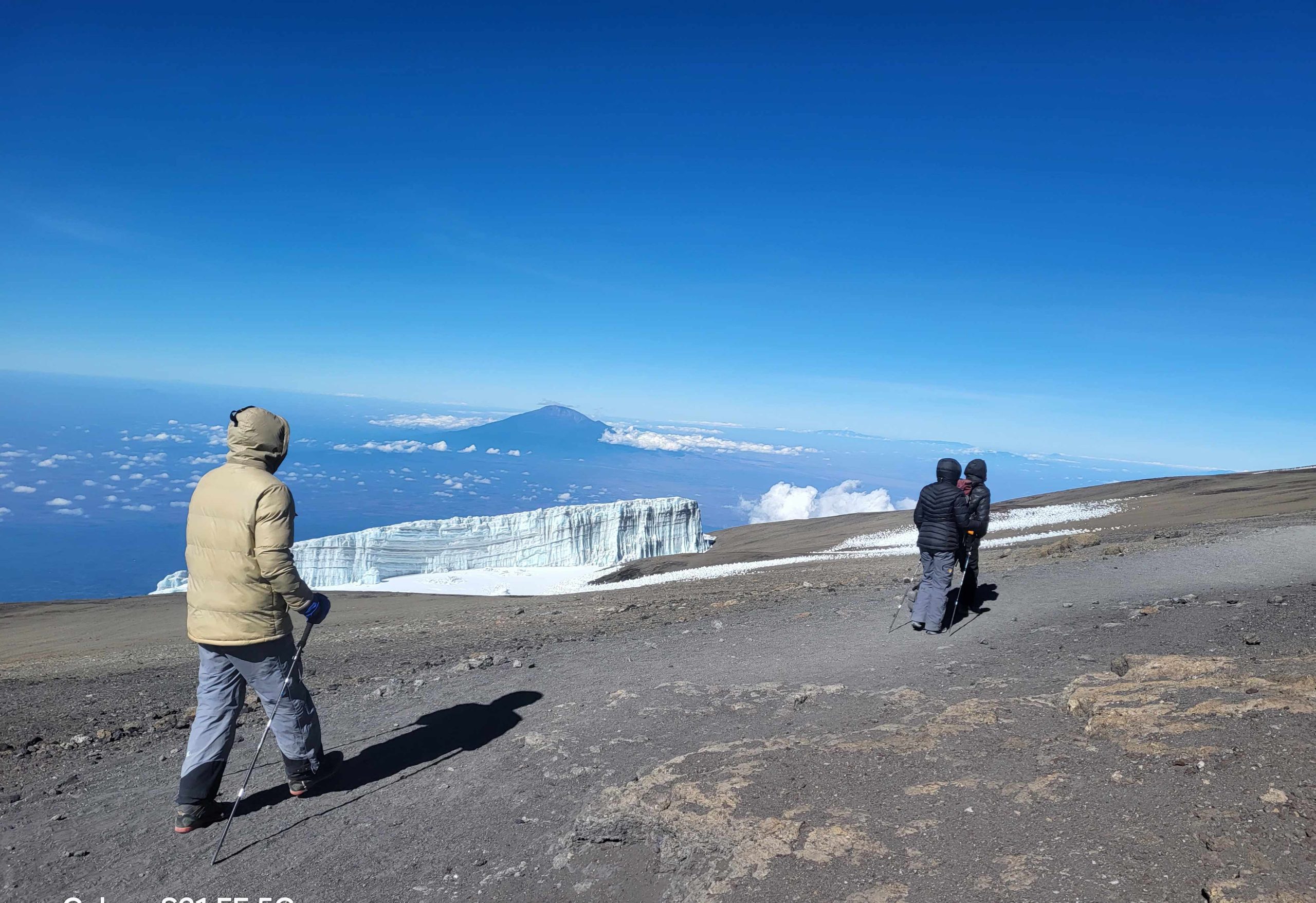
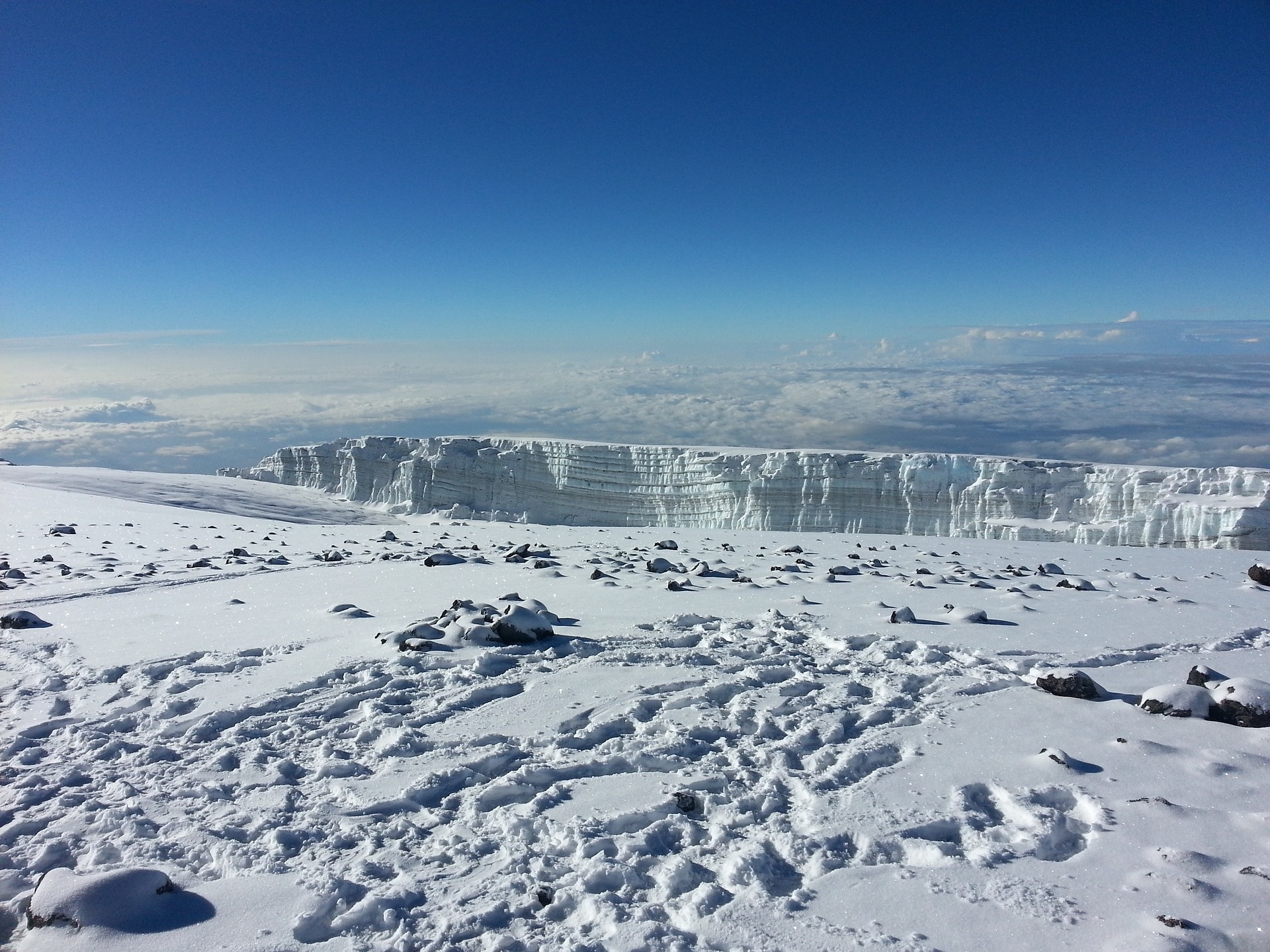
Per PersonExperience the adventure of a lifetime with a 6-day trek on Mount Kilimanjaro via the Rongai Route, one of the most scenic and less crowded paths on the mountain. Starting from the northeastern side of the mountain, this route offers a unique perspective of Kilimanjaro, allowing trekkers to explore diverse landscapes, from lush rainforests to high-altitude alpine deserts.
Throughout the trek, you’ll pass through a variety of ecosystems, each offering its own distinct beauty and wildlife. The Rongai Route is known for its gradual ascent, making it ideal for those looking for a less strenuous climb while still offering the challenge and grandeur of Kilimanjaro. With stunning views of the surrounding savannah and a strong chance of spotting wildlife along the way, this route also offers a true sense of remoteness and tranquility.
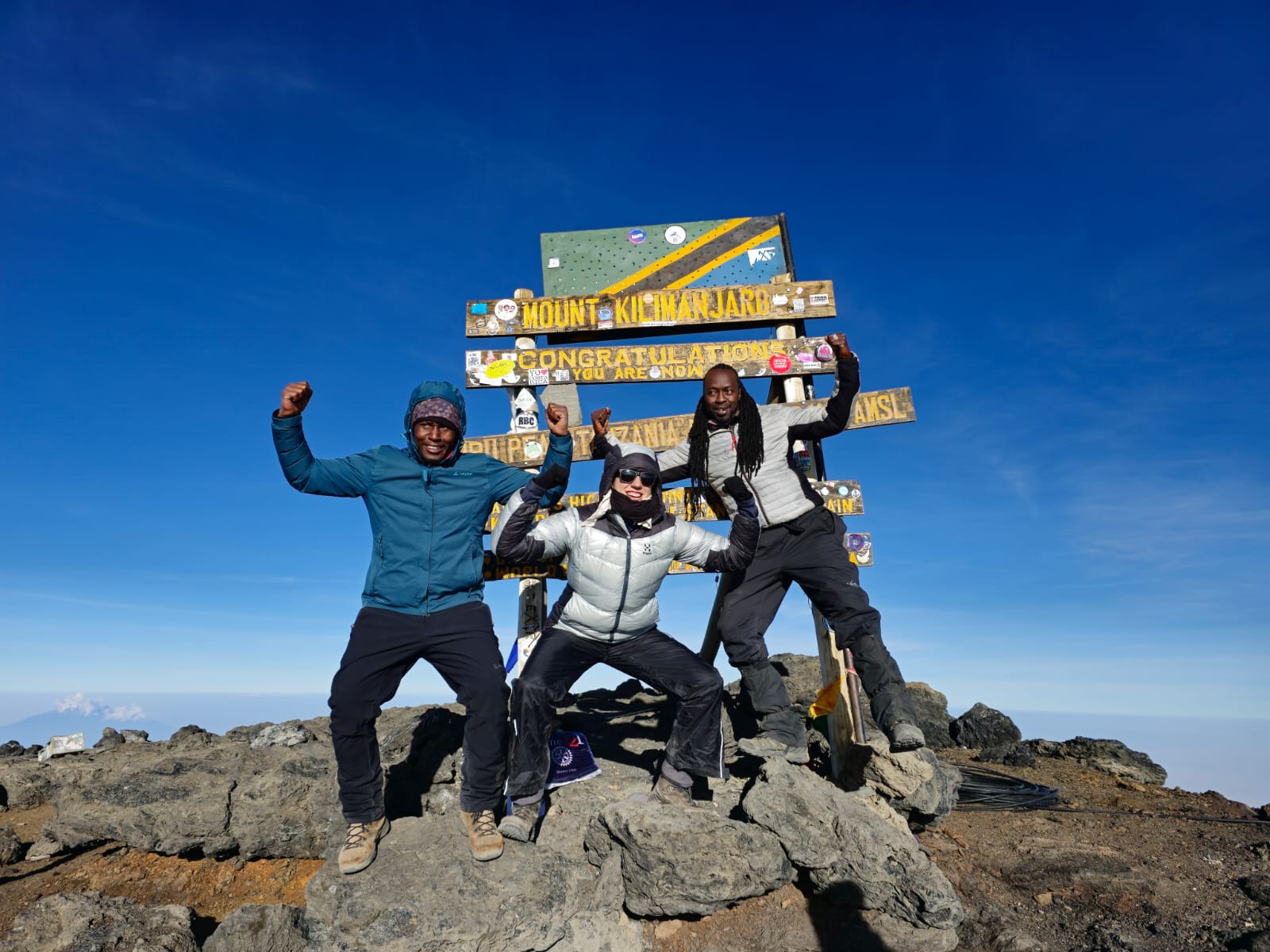
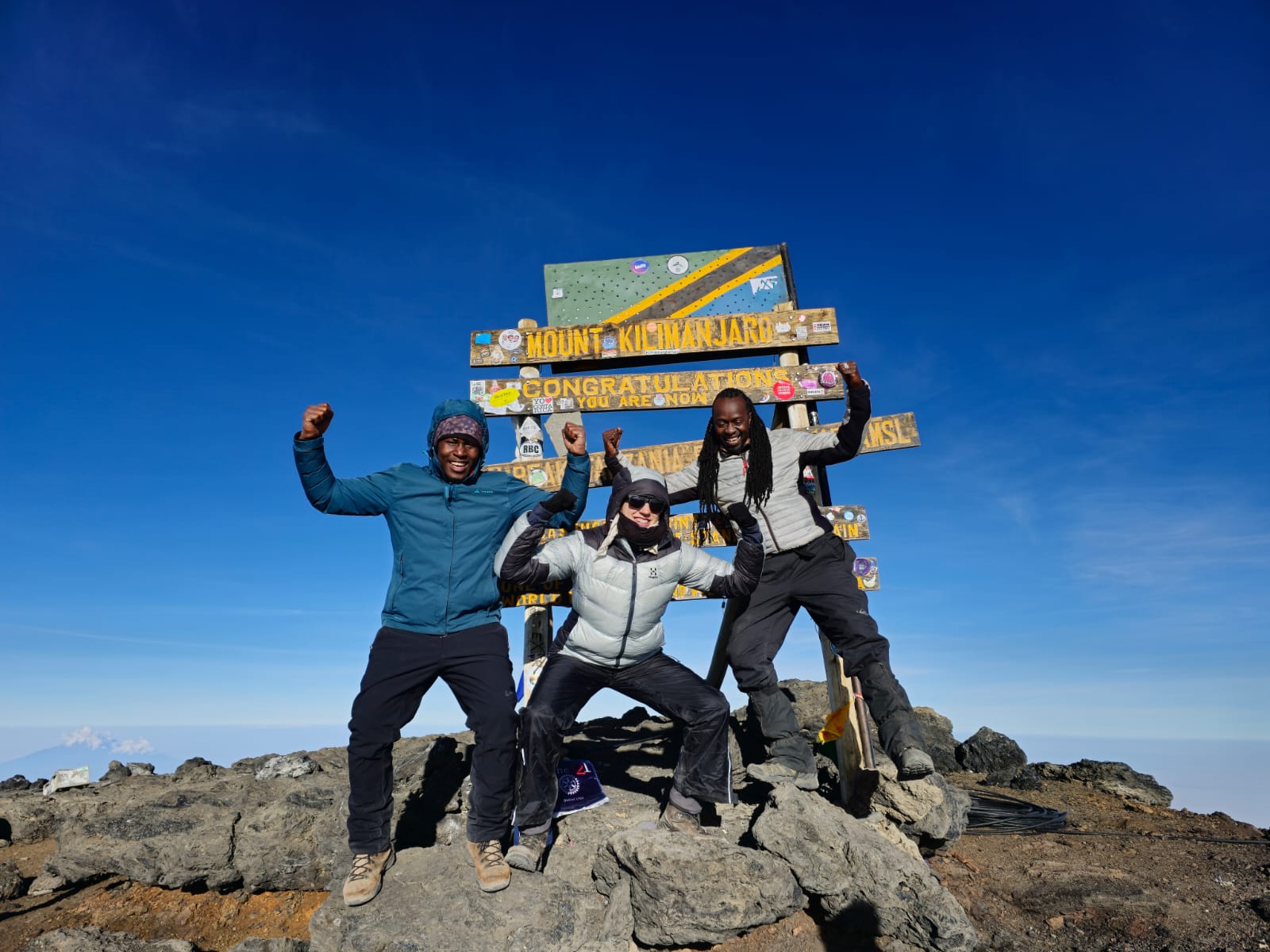
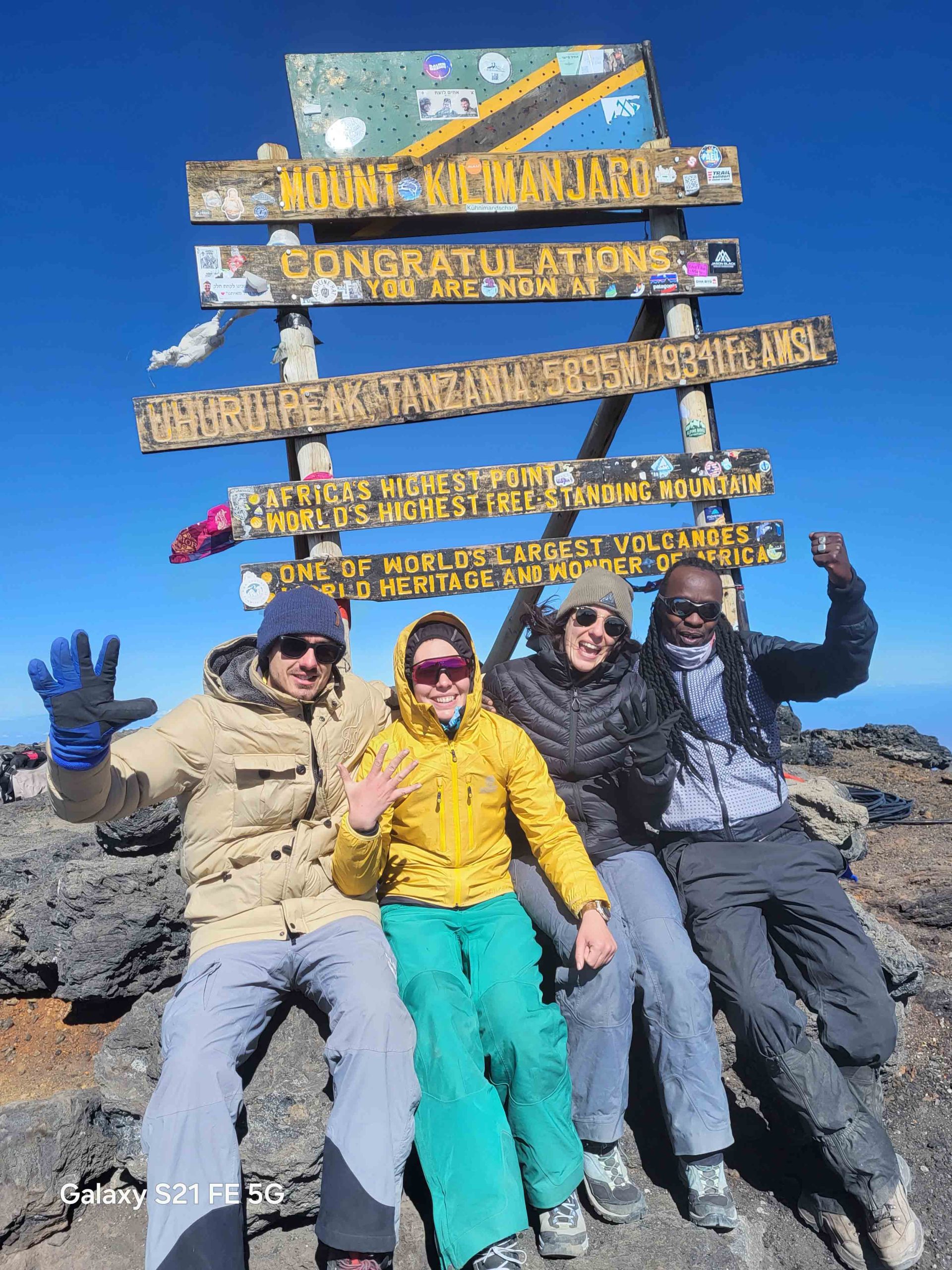
On the final leg of the journey, you’ll reach the summit, standing triumphantly on the Roof of Africa at Uhuru Peak. The trek concludes with an exhilarating descent and the opportunity to celebrate your incredible achievement. This journey offers not just a climb, but a unique and unforgettable experience of one of the world’s most majestic mountains.
Included and Excluded
- Accommodation on mountain.
- Meals: Breakfast, lunches & Dinner
- Professional mountain guides for trekking.
- Porters to carry equipment and supplies
- Cook Staff to prepare meals during the trek.
- Kilimanjaro Park Fees
- Environmental and Conservation Fees
- Airport Transfers
- Tents and cooking equipments
- Safety Equipment
- Rescue Services
- Medical Support
- Achievement Certificate: Upon reaching Uhuru Peak.
- International Flights: Airfare to and from Kilimanjaro International Airport.
- Visa Fees: Tanzanian visa on arrival (if applicable).
- Travel Insurance: Mandatory travel insurance, including coverage for high-altitude trekking.
- Tipping: Tips for guides, porters, and cooks.
- Personal Equipment: Clothing, hiking boots, and other personal trekking gear. Sleeping bag (can be rented).
- Meals in Arusha|Moshi: Lunch and dinner before and after the trek in Moshi | Arusha (unless included in the hotel stay).
- Optional Tours: Any additional activities or tours before or after the trek, such as safaris or Zanzibar trips.
Route Highlights
- Lush Rainforest
- Stunning Views of Kibo Peak
- Unique Flora and Fauna
- Acclimatization Opportunities
- Descent Through Diverse Landscapes
Itinerary
Arrive in Arusha / Moshi, where you'll meet your guide for a pre-trek briefing and gear check. This is your chance to ask any last-minute questions and ensure you’re fully prepared.
- Accommodation: Overnight at a hotel in Arusha / Moshi.
After breakfast, you will drive to the Rongai Gate, where you will complete the necessary park registration. The trek begins through lush rainforest, where you may encounter various wildlife, including monkeys and colorful bird species. The trail is relatively gentle, allowing for a comfortable introduction to the trek. Upon reaching Simba Camp, you will enjoy dinner and rest for the night.
- Distance: Approximately 8 km (5 miles)
- Hiking Time: 4-5 hours
- Elevation: Start at 1,950 m (6,398 ft) and camp at 2,620 m (8,600 ft)
The day begins with a hearty breakfast before setting off towards Second Cave. The trail gradually ascends through moorland, offering stunning views of the Kibo peak. This section of the trek is characterized by unique vegetation, including giant heathers and lobelias. Upon arrival at Second Cave, you will have lunch and the option to take an acclimatization hike to the nearby Third Cave for additional views.
- Distance: Approximately 6 km (3.7 miles)
- Hiking Time: 3-4 hours
- Elevation: Camp at 3,450 m (11,319 ft)
This shorter trek allows for better acclimatization as you ascend to Mawenzi Tarn, located at the base of Mawenzi Peak. The hike offers breathtaking views of the rugged Mawenzi landscape. Upon arrival, you will have the afternoon to rest, explore the area, and prepare for the summit attempt. The stunning scenery makes this a highlight of the trek.
- Distance: Approximately 7 km (4.3 miles)
- Hiking Time: 3-4 hours
- Elevation: Camp at 4,330 m (14,200 ft)
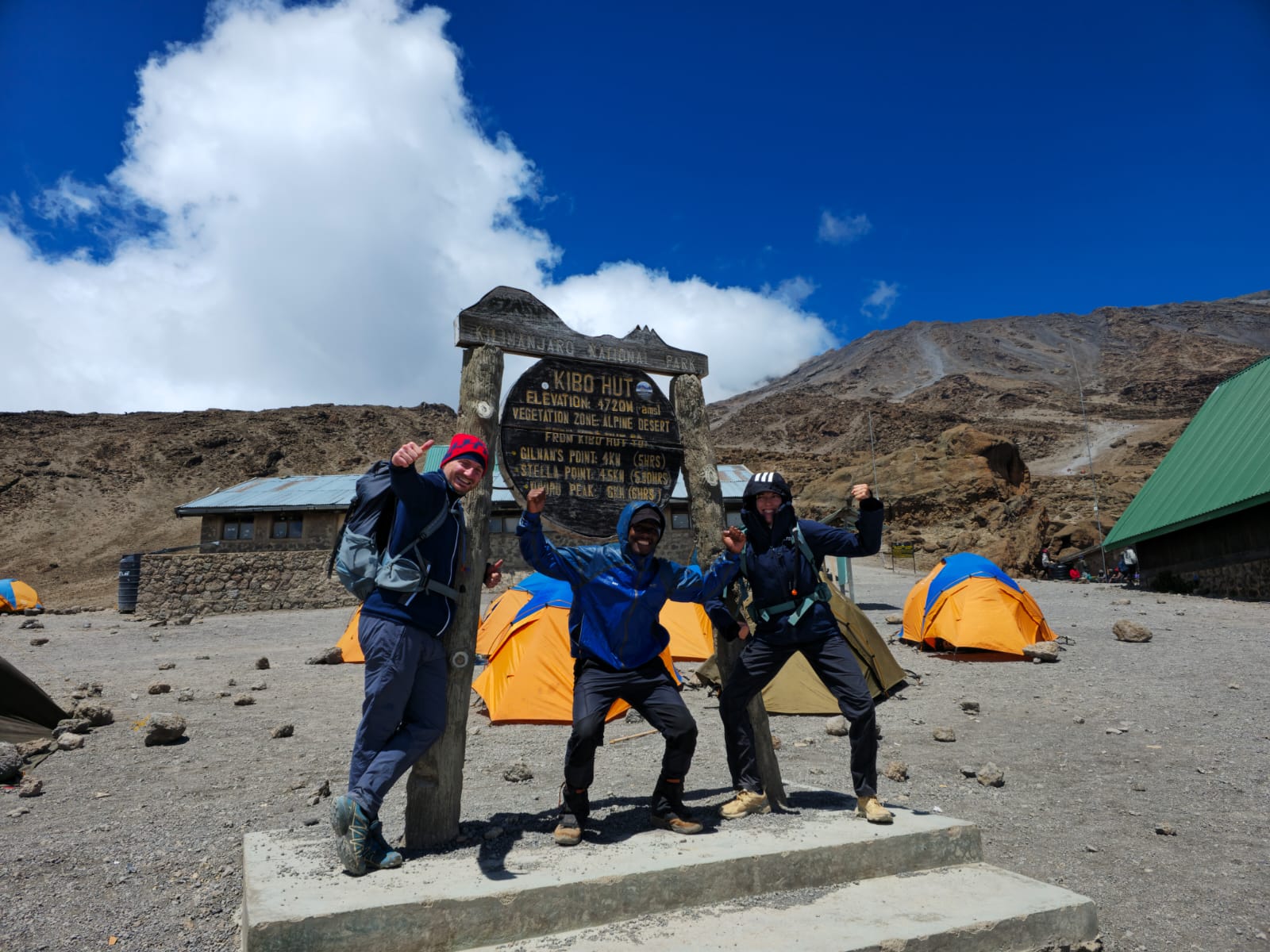
After breakfast, you will continue your ascent to Kibo Camp. The trail traverses a rocky landscape, and as you gain altitude, the air becomes thinner. Upon reaching Kibo Camp, you will have an early dinner and a chance to rest before the summit attempt. It is crucial to hydrate and prepare mentally for the night ascent.
- Distance: Approximately 9 km (5.6 miles)
- Hiking Time: 5-6 hours
- Elevation: Camp at 4,700 m (15,420 ft)
You will begin your summit attempt around midnight. The trek to Uhuru Peak is challenging, with steep sections and a significant altitude gain. The goal is to reach the summit by sunrise, allowing you to witness the breathtaking views from the roof of Africa. After celebrating your achievement and taking photos, you will descend back to Kibo Camp for a well-deserved rest.
- Hiking Time: 5-7 hours
- Distance: 20 km (12.5 miles)
- Habitat: Montane Forest
- Accommodation: Overnight at a hotel in Arusha / Moshi (optional).
On your final day, you will complete your trek by descending to Marangu Gate. The descent is relatively straightforward, and upon reaching the gate, you will receive your summit certificate as a testament to your achievement. Afterward, you will be transferred back to your hotel in Moshi or Arusha for a celebratory dinner.
- Distance: Approximately 20 km (12.4 miles)
- Hiking Time: 5-7 hours
After breakfast, you will be transferred to Kilimanjaro International Airport or Arusha Airport for your departure, or you can continue your adventure with a safari or a trip to Zanzibar.
Mt. Kilimanjaro Frequently Asked & Question
Marangu Route: Known as the "Coca-Cola" route, it offers hut accommodations and is the only route with this feature. It's relatively easy but has a lower success rate due to the shorter acclimatization period.
Machame Route: Also called the "Whiskey" route, it is more challenging than Marangu but offers stunning scenery and a higher success rate due to better acclimatization.
Lemosho and Shira Routes: These routes are scenic, less crowded, and offer good acclimatization. They merge with the Machame Route before the summit.
Rongai Route: Approaches Kilimanjaro from the north and is less crowded. It's a good option during the rainy season.
Umbwe Route: The most challenging and steepest route, recommended only for experienced trekkers.
Dry Seasons: The best times to climb are during the dry seasons: January to mid-March and June to October. During these periods, the weather is more predictable, and the trails are less muddy.
Wet Seasons: April, May, and November are rainy seasons, making the trek more challenging and less enjoyable due to wet and slippery conditions.
Altitude Sickness: Also known as Acute Mountain Sickness (AMS), it occurs when your body cannot adjust quickly enough to the reduced oxygen levels at high altitudes.
Prevention:
- Ascend slowly to allow your body to acclimatize.
- Stay hydrated and avoid alcohol.
- Eat a balanced diet, rich in carbohydrates.
- Consider taking medication like Diamox (consult your doctor first).
- Listen to your guide and don’t ignore any symptoms of altitude sickness.
Physical Fitness: While you don’t need to be an athlete, a reasonable level of fitness is required. Cardiovascular training, strength conditioning, and stamina-building exercises are recommended.
Mental Preparation: Climbing Kilimanjaro is as much a mental challenge as it is a physical one. A positive mindset, determination, and mental resilience are crucial.
Clothing:
- Layered clothing for varying temperatures.
Thermal base layers, fleece, waterproof jacket and pants.
- Warm hat, gloves, and socks.
- Footwear: Broken-in, waterproof trekking boots with good ankle support.
Gear:
- Daypack for personal items, with a waterproof cover.
- Sleeping bag rated for sub-zero temperatures.
- Trekking poles, headlamp, and sunglasses.
Other Essentials:
- High SPF sunscreen, lip balm, and insect repellent.
- Refillable water bottles or hydration system.
- First aid kit, including blister treatment and altitude sickness medication.
Summit Night: The final ascent to Uhuru Peak is the most challenging part of the trek. It involves trekking in the dark, cold temperatures (as low as -20°C/-4°F), and steep terrain.
Timing: You will start around midnight to reach the summit by sunrise. The climb can take 6-8 hours up and 4-7 hours down.
Preparation: Stay hydrated, go slowly, and keep warm. Your guide will set the pace.
Success Rates: Success rates vary by route:
- Marangu: 70-75%
- Machame: 85%
- Lemosho/Shira: 90%
- Rongai: 80-85%
Factors: Longer routes with gradual ascents typically have higher success rates due to better acclimatization.
Team Composition: A typical trekking group will include a lead guide, assistant guides, porters, and a cook.
Porters: They carry your main luggage, camping equipment, and supplies. You will carry a daypack with essentials like water, snacks, and extra layers.
Meals: You’ll be provided with three meals a day. Meals are designed to be high-energy and nutritious, including soups, vegetables, pasta, rice, and fruits.
Water: Treated water will be provided by your guides. It's essential to drink plenty of water to stay hydrated.
Hut Accommodation: Available only on the Marangu Route, which offers dormitory-style huts with bunk beds.
Camping: On other routes, you will sleep in tents, set up and taken down by the porters.
Guides: Professional guides are trained in first aid and are familiar with the signs of altitude sickness.
Medical Kits: Your team will carry a first aid kit and an oxygen cylinder for emergencies.
Rescue Services: In severe cases, you can be evacuated by stretcher or vehicle. Helicopter evacuation is also available in extreme emergencies.
Tipping: Tipping is customary and expected as a sign of appreciation for your guides, porters, and cook.
Travel Insurance: Yes, comprehensive travel insurance that covers high-altitude trekking (up to 6,000m) and emergency evacuation is essential. Ensure it includes trip cancellation, medical expenses, and lost baggage coverage.
Guided Treks: Climbing Kilimanjaro without a registered guide is not allowed. Park authorities mandate that all trekkers be accompanied by licensed guides.
Book This Tour
Reserve your ideal trip early for a hassle-free trip; secure comfort and convenience!